【Ginkaku-ji Temple Guide】Silver Pavilion, Wabi-Sabi Beauty & Access
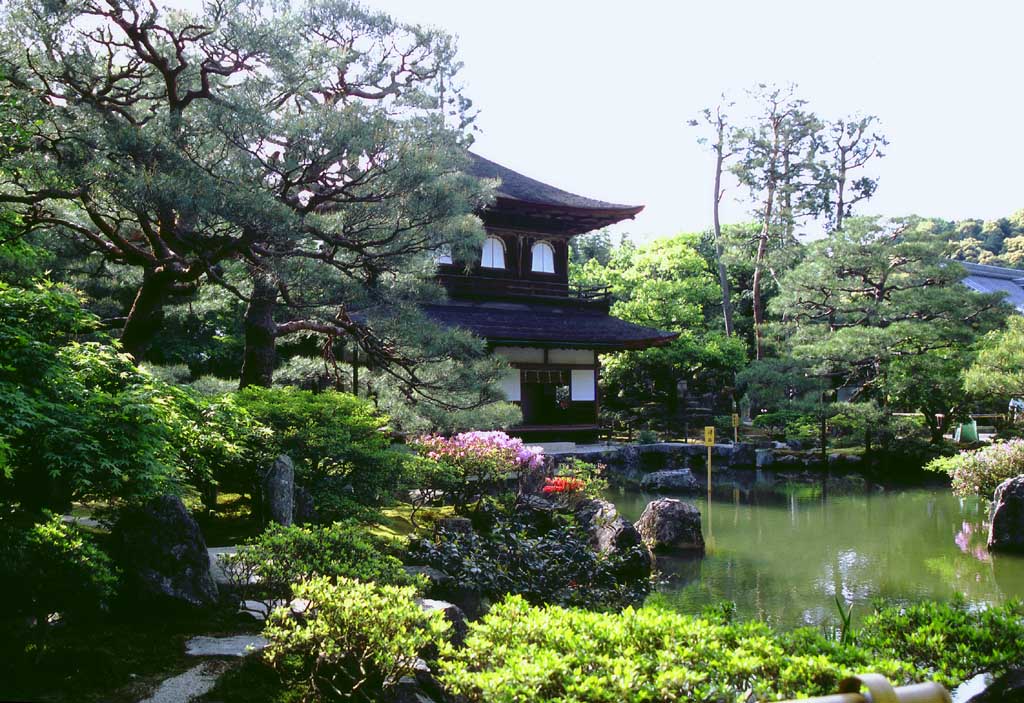
Built by Shogun Ashikaga Yoshimasa in the late 15th century, Ginkaku-ji (officially Jisho-ji), known as the Silver Pavilion, is a UNESCO World Heritage Zen temple. In contrast to the gold of Kinkaku-ji, it embodies “Wabi-Sabi”—the traditional Japanese aesthetic of understated elegance and simplicity.
Here is a guide to exploring its historic pavilion, artistic sand garden, and moss-covered strolling grounds.
—
1. Top 3 Highlights of Ginkaku-ji
① The Silver Pavilion (Kannon-den)
Despite its name, the Silver Pavilion was never covered in silver leaf. Instead, its unpainted dark wooden structure radiates a calm, refined beauty that reflects the quiet spiritual values of Zen Buddhism.
② Sand Art: Ginshadan & Kogetsudai
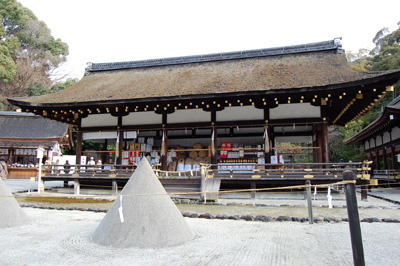
In front of the main hall lies a unique dry landscape sand garden featuring “Ginshadan” (a sea of silver sand with wave patterns) and “Kogetsudai” (a cone-shaped sand mound), designed to reflect moonlight into the temple.
③ Moss Garden & Viewpoint
A path winds past clear springs and lush green moss beds up the hillside to an upper viewpoint, offering a stunning panoramic view over the temple complex and Kyoto city.
📍 Ginkaku-ji Access & Area Map
—
2. Visitor Information
| Name | Jisho-ji (Ginkaku-ji Temple) |
|---|---|
| Opening Hours | 8:30 AM – 5:00 PM (9:00 AM – 4:30 PM from Dec to Feb) |
| Admission Fee | Adults: ¥500 / Children: ¥300 |
| Address | 2 Ginkakujicho, Sakyo-ku, Kyoto City, Kyoto 606-8402 |
| Access |
・5-10 min walk from City Bus Stop “Ginkakuji-michi” ・Located right at the northern end of the Philosopher’s Path |
💡 Travel Advice
- Combine with Philosopher’s Path: Visiting Ginkaku-ji followed by a scenic stroll down the Philosopher’s Path (Tetsugaku-no-michi) is one of Kyoto’s most popular walking routes.
—
3. Summary
Representing the subtle, rustic grace of Higashiyama culture, Ginkaku-ji offers visitors a serene escape into the true spirit of traditional Japanese aesthetics.