- What are “Special Places of Scenic Beauty”?
- 1. Rokuon-ji Garden (Golden Pavilion / Kinkaku-ji) | Kita Ward, Kyoto
- 2. Jisho-ji Garden (Silver Pavilion / Ginkaku-ji) | Sakyo Ward, Kyoto
- 3. Ryoan-ji Rock Garden | Ukyo Ward, Kyoto
- 4. Tenryu-ji Garden (Sogenchi Garden) | Ukyo Ward, Kyoto
- 5. Saiho-ji Garden (Kokedera / Moss Temple) | Nishikyo Ward, Kyoto
- 6. Nijo Castle Ninomaru Garden | Nakagyo Ward, Kyoto
- 7. Daigo-ji Sanbo-in Garden | Fushimi Ward, Kyoto
- 8. Daitoku-ji Hojo Garden | Kita Ward, Kyoto
- 9. Daisenn-in Shoin Garden | Kita Ward, Kyoto
- 10. Konchi-in Garden (Crane and Turtle Garden) | Sakyo Ward, Kyoto
- 11. Nishi Hongan-ji Daishoin Garden (Teki-sui-en) | Shimogyo Ward, Kyoto
- 12. Hokingo-in Seijo-no-Taki Waterfall | Ukyo Ward, Kyoto
- 13. Joruri-ji Garden | Kizugawa City, Kyoto
- 14. Amanohashidate | Miyazu City, Kyoto
- Summary: Planning Your Special Scenic Beauty Tour
What are “Special Places of Scenic Beauty”?
In Japan, the national government designates sites of exceptional artistic or historic value as “Places of Scenic Beauty.” Among these, the absolute highest tier—often described as the “National Treasures of Japanese Gardens”—is designated as a “Special Place of Scenic Beauty” (Tokubetsu Meisho).
Out of only 36 designated Special Places of Scenic Beauty across all of Japan, an astonishing 14 are located right here in Kyoto Prefecture, representing nearly 40% of the nation’s finest garden landscapes.
Here is the complete guide to all 14 designated sites in Kyoto, showcasing the pinnacle of Japanese aesthetics, Zen philosophy, and historical landscape architecture.
1. Rokuon-ji Garden (Golden Pavilion / Kinkaku-ji) | Kita Ward, Kyoto
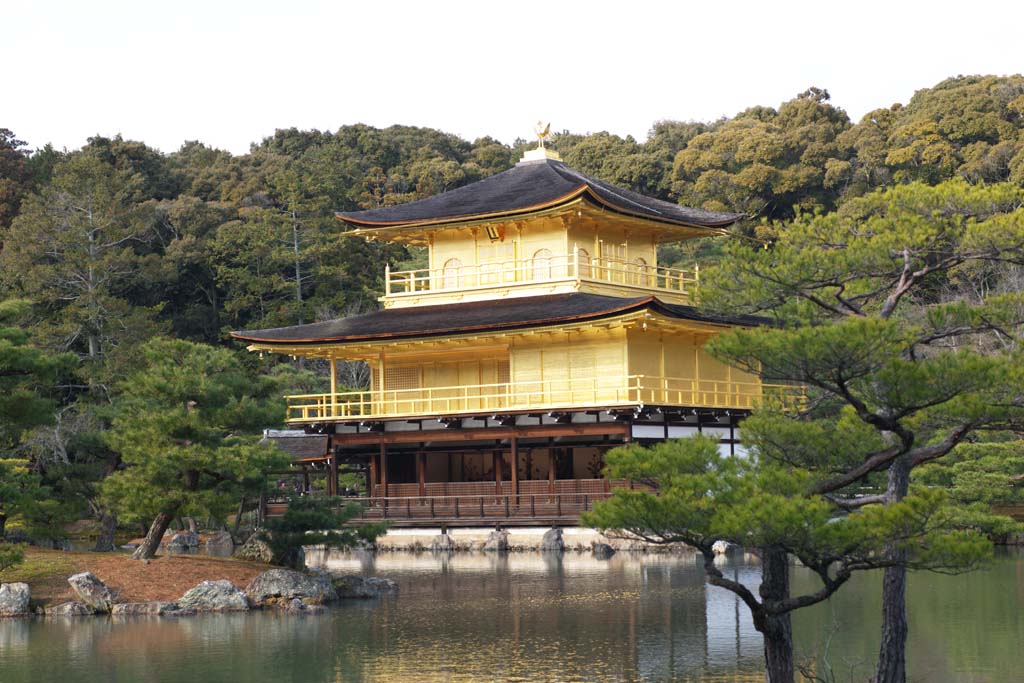
Famous worldwide for the shimmering golden pavilion reflected on Kyoko-chi (Mirror Pond). Founded by shogun Ashikaga Yoshimitsu during the Muromachi period, this strolling garden features islands and carefully placed historic stones representing various sacred mountains.
Rokuon-ji Garden (Kinkaku-ji): Exploring Kyoto’s Special Place of Scenic Beauty
【Kinkaku-ji Temple Guide】Golden Pavilion Highlights, Hours & Access
2. Jisho-ji Garden (Silver Pavilion / Ginkaku-ji) | Sakyo Ward, Kyoto
The masterpiece of Higashiyama culture created by shogun Ashikaga Yoshimitsu’s grandson, Yoshimasa. Surrounding Kin-kyo-chi Pond, the garden is renowned for its subtle elegance, dry landscape elements, and two unique sand structures: Ginshadan (Sea of Silver Sand) and Kogetsudai (Moon Viewing Platform).
【Ginkaku-ji Temple Guide】Silver Pavilion, Wabi-Sabi Beauty & Access
3. Ryoan-ji Rock Garden | Ukyo Ward, Kyoto
The world’s most celebrated Zen dry landscape (Karesansui) garden. Fifteen rocks are placed upon a bed of raked white gravel in such a way that from any viewing angle, at least one stone remains hidden—a spatial design symbolizing Zen contemplation and imperfecion.
4. Tenryu-ji Garden (Sogenchi Garden) | Ukyo Ward, Kyoto
Designed in the 14th century by master Muso Soseki, this garden ingeniously uses Mount Arashiyama and Mount Kameyama as borrowed scenery (Shakkei). Its pristine original layout surrounding Sogenchi Pond has remained virtually unchanged for over 700 years.
5. Saiho-ji Garden (Kokedera / Moss Temple) | Nishikyo Ward, Kyoto
A magical garden completely carpeted by over 120 species of lush green moss. Divided into a lower pond garden and an upper dry landscape garden, its serene atmosphere requires advance reservation, making a visit a truly special cultural experience.
6. Nijo Castle Ninomaru Garden | Nakagyo Ward, Kyoto
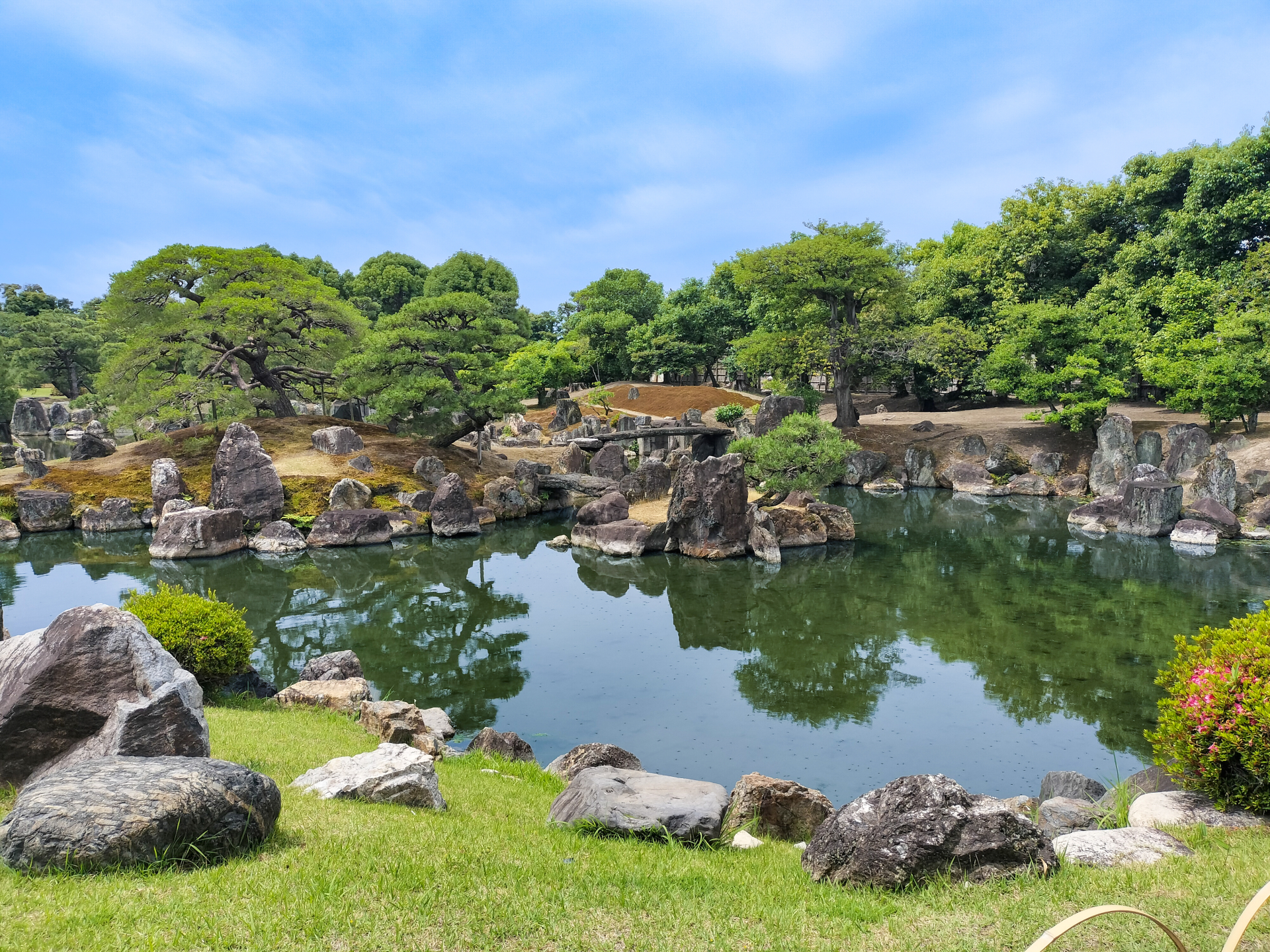
A grand, powerful garden remodeled by master Kobori Enshu to welcome the reigning Emperor in the early Edo period. Located beside the Ninomaru Palace, it features dramatic rock arrangements, Crane and Turtle islands, and a large central pond reflecting samurai prestige.
7. Daigo-ji Sanbo-in Garden | Fushimi Ward, Kyoto
Designed and supervised by the legendary warlord Toyotomi Hideyoshi in 1598 for his grand cherry blossom viewing party. This extravagant Momoyama-period garden contains over 800 historic stones, including the famous Fujito Stone, and dynamic artificial waterfalls.
8. Daitoku-ji Hojo Garden | Kita Ward, Kyoto
A prime example of early Edo-period Zen rock gardening. Waves of white sand represent the sea, while large stones arranged thoughtfully in the background evoke dramatic mountain cascades and sacred Buddhist figures.
9. Daisenn-in Shoin Garden | Kita Ward, Kyoto
Located within a sub-temple of Daitoku-ji, this compact yet intense dry landscape garden metaphorically depicts the voyage of human life—from a rushing mountain waterfall flowing through rapids to an open, tranquil ocean of sand.
10. Konchi-in Garden (Crane and Turtle Garden) | Sakyo Ward, Kyoto
A masterful dry landscape garden created by Kobori Enshu within a sub-temple of Nanzen-ji. Two large rock arrangements representing a crane and a turtle face each other over a sea of white gravel, symbolizing longevity and peace.
11. Nishi Hongan-ji Daishoin Garden (Teki-sui-en) | Shimogyo Ward, Kyoto
An extraordinary Edo-period dry landscape garden designed in front of the temple’s grand reception hall. It utilizes massive granite stones to evoke the rugged scenery of China’s famous Mount Lu and Lushan waterfalls.
12. Hokingo-in Seijo-no-Taki Waterfall | Ukyo Ward, Kyoto
A rare surviving example of a late Heian-period Pure Land (Jodo) Paradise garden. It holds Japan’s oldest reconstructed artificial stone waterfall, Seijo-no-Taki, surrounded by serene ponds that bloom with vibrant lotus flowers in summer.
13. Joruri-ji Garden | Kizugawa City, Kyoto
Situated in southern Kyoto Prefecture, this is the only remaining complete Pure Land garden from the Heian period. A central pond connects the Three-Story Pagoda (representing Medicine Buddha in the east) with the Main Hall (representing Amida Buddha in the west).
14. Amanohashidate | Miyazu City, Kyoto
Located in northern Kyoto along the Sea of Japan, this naturally formed sandbar spans 3.6 kilometers and is shaded by nearly 8,000 pine trees. Celebrated as one of the Three Views of Japan, its name translates to “Bridge in Heaven.”
Summary: Planning Your Special Scenic Beauty Tour
Kyoto’s 14 Special Places of Scenic Beauty offer an unforgettable journey through Japanese aesthetics, ranging from contemplative Zen stone gardens to expansive strolling ponds and iconic natural coastal formations.
Many of these designated locations are also registered as UNESCO World Heritage sites (“Historic Monuments of Ancient Kyoto”). Be sure to include a few of these national treasures on your next itinerary to Kyoto!